



















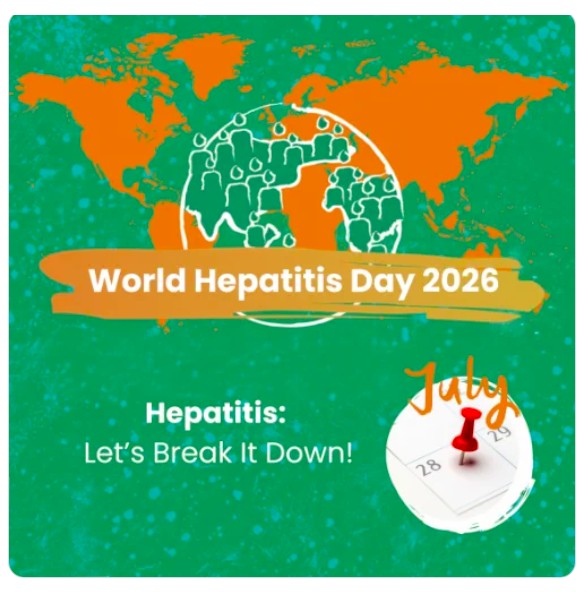
Mohali, July 28, 2026: On the occasion of World Hepatitis Day 2026, liver specialists have urged the public and healthcare professionals to pay greater attention to Hepatitis E, one of the leading causes of acute viral hepatitis in India.
Although Hepatitis E is often considered a self-limiting infection, it can lead to severe complications and may become life-threatening in high-risk groups, including pregnant women, patients with chronic liver disease, transplant recipients, and individuals with weakened immunity.
The appeal comes as the World Health Organization (WHO) continues to recognize Hepatitis E as a significant global public health concern. The infection spreads primarily through contaminated drinking water and is closely associated with poor sanitation and seasonal outbreaks, particularly during the monsoon.
Speaking on the occasion, Dr. Arvind Sahni, Director, Department of Gastroenterology, Fortis Hospital, Mohali, said:
“Every year, we witness a rise in water-borne infections during the monsoon. While diseases such as typhoid and Hepatitis A are widely recognized, Hepatitis E often remains under-recognized despite its potential to cause serious illness in vulnerable individuals.”
Dr. Sahni emphasized the importance of recognizing early symptoms such as:
* Jaundice (yellowing of the skin and eyes)
* Dark urine
* Fatigue and weakness
* Nausea and vomiting
* Loss of appetite
He advised individuals experiencing persistent symptoms to seek prompt medical attention rather than relying on self-medication.
Recent clinical guidance in India has also highlighted the importance of preventing Hepatitis E among adults at increased risk, particularly those living with chronic liver disease and immunocompromised conditions. Along with improvements in sanitation and access to safe drinking water, preventive measures can significantly reduce the burden of severe Hepatitis E.
Dr. Sahni advised the public to:
* Drink only safe and clean water.
* Avoid consuming food prepared under unhygienic conditions.
* Wash hands thoroughly before eating and after using the toilet.
* Seek immediate medical attention if jaundice develops.
* Individuals at higher risk should consult their treating physician regarding preventive options, including the Hepatitis E vaccine approved by the Drug Controller General of India (DCGI), wherever appropriate.
“World Hepatitis Day is an important reminder that prevention is always better than treatment. Greater public awareness, early diagnosis and timely preventive measures can protect vulnerable populations from severe Hepatitis E,” Dr. Sahni added.