






















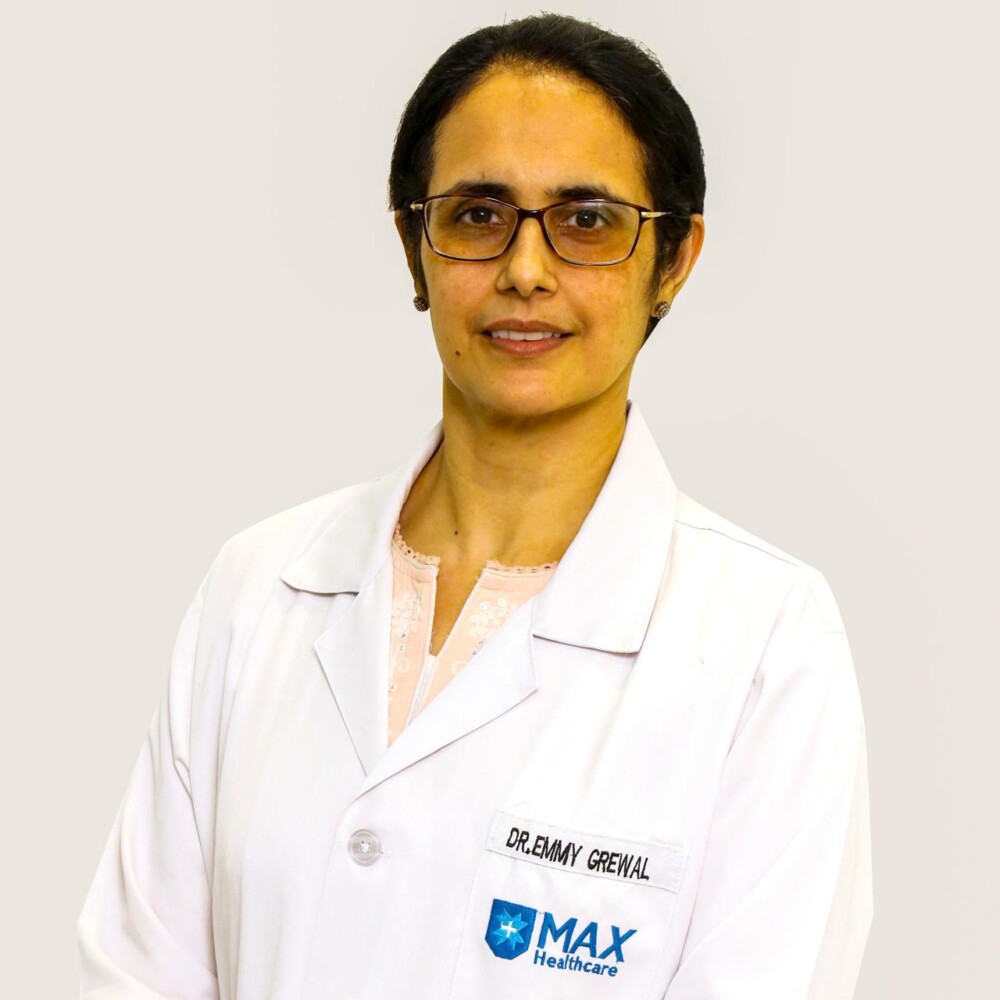
Chandigarh: “With timely diagnosis, appropriate treatment and consistent lifestyle modifications, people living with diabetes can lead healthy and active lives,” said Dr. Emmy Grewal, Director – Endocrinology, Max Super Speciality Hospital, Mohali.
Dr. Grewal explained that diabetes primarily occurs in three forms – Type 1, Type 2 and gestational diabetes, each with distinct causes and treatment requirements.
Type 1 diabetes develops when the body’s immune system attacks the insulin-producing cells of the pancreas, making insulin therapy essential for managing the condition. Type 2 diabetes, the most common form, occurs when the body becomes resistant to insulin or does not produce sufficient insulin to maintain normal blood glucose levels. Gestational diabetes develops during pregnancy and requires careful monitoring and management to safeguard the health of both the mother and the baby.
Highlighting the common symptoms of diabetes, Dr. Grewal said that increased thirst, frequent urination, unusual hunger, unexplained weight loss, fatigue, blurred vision and slow wound healing are some of the warning signs that should not be ignored.
However, Type 2 diabetes can develop gradually without noticeable symptoms, making regular health assessments particularly important for individuals with a family history of diabetes, excess body weight or a sedentary lifestyle, she added.
Emphasising the importance of comprehensive diabetes management, Dr. Grewal said that effective control requires a combination of healthy eating habits, regular physical activity, weight management and appropriate medication. A balanced diet comprising vegetables, whole grains, pulses and adequate protein, along with limiting sugary drinks and highly processed foods, can help maintain better blood glucose control.
Regular physical activity improves insulin sensitivity, while prescribed medications or insulin therapy help maintain blood glucose levels according to individual requirements. Patients should also monitor their blood glucose levels regularly and ensure timely medical follow-ups, she advised.
Dr. Grewal stressed that early diagnosis and personalized treatment play a crucial role in managing diabetes and preventing associated complications.
She further emphasized that diabetes management should not be limited to achieving a particular blood glucose reading. Instead, it should focus on reducing the overall risk of complications, maintaining long-term health and ensuring a better quality of life for people living with the condition.