



















Chandigarh: A 14-year-old girl, who was suffering from by birth severe and progressively worsening menstrual pain caused by a rare gynaecological condition, treated successfully at Max Hospital, Mohali recently. The complex surgery helped the teenaged patient achieve complete relief and return to a normal and pain-free life.
The girl had started menstruating at the age of 12 and initially experienced regular cycles. However, over time, her menstrual pain increased significantly. In her most recent cycle, the pain became continuous and severe, did not respond to painkillers, and began affecting her daily activities, prompting her family to seek specialized care.
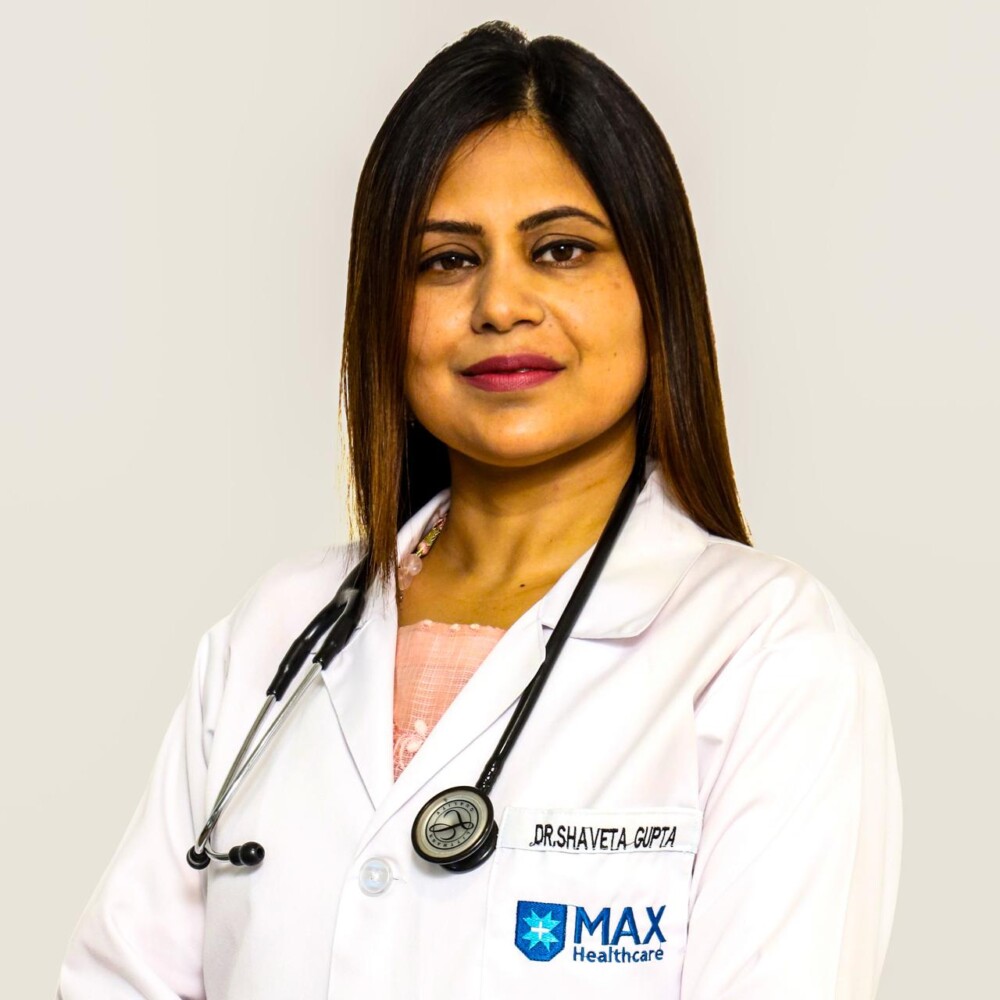
Dr. Shaveta Gupta consultant–obstetrics and gynaecology at Max said that a detailed investigation revealed that the girl had a rare congenital condition in which she was born with double uterus. One of the vaginal passages was blocked, causing menstrual blood to accumulate inside the body rather than flow out normally. The scans also showed the absence of one kidney, a finding commonly associated with this condition, and prolonged internal blockage had led to the development of endometriosis, a painful condition.
Based on these findings, the condition was diagnosed as Herlyn–Werner–Wunderlich Syndrome, an extremely rare disorder seen in only 1 out of every 20,000 to 40,000 females. Because early menstrual cycles often appear normal, the condition is frequently diagnosed late, increasing the risk of complications if left untreated.
Dr. Shaveta Gupta said, “The surgery was performed using a minimally invasive laparoscopic (keyhole) approach, where small instruments are inserted through tiny incisions after gently inflating the abdomen for better visualisation. During the procedure, we observed that the uterus was congenitally divided into two parts. The right side of the uterus was significantly enlarged and was associated with a large 5 × 7 cm endometriotic cyst (endometrioma) – roughly the size of a lemon, near the right fallopian tube, along with marked swelling of the tube due to accumulated menstrual blood.”
“We carefully removed the endometrioma completely, relieved the obstruction, and ensured adequate drainage while preserving the normal reproductive structures. Bleeding was well controlled, and the procedure was successfully completed without complications, said Dr. Shaveta.